When the property market slows, not every district in Paris responds in the same way. While some sectors record sharper corrections, others continue to preserve their value thanks to their rarity, their prestige and a constant international demand.
Why do certain districts hold better?
In prestige real estate, the question is not only whether a property will gain value tomorrow. It is above all about understanding which locations have demonstrated, over the decades, a remarkable capacity to travel through economic cycles.
For investors as much as for families building lasting wealth, these districts often represent the most resilient assets on the Paris market.
The most prestigious districts answer to a different logic from the conventional residential market. The number of properties available there is extremely limited.
Demand comes from an international clientele, from business leaders, legacy families, private investors and substantial fortunes who seek, above all, irreplaceable locations. This structural rarity naturally limits the price falls observed during economic slowdowns.
A map of the districts discussed
An editorial plan of the five sectors covered in this article. Hover or select a district to read its market reading.
Golden Triangle
Between Montaigne, George V and the Champs-Élysées: one of the most exclusive markets in Europe, where available supply remains extremely limited.
Stylised plan, for illustration only.
The Golden Triangle: the absolute reference
Set between avenue Montaigne, avenue George V and the Champs-Élysées, the Golden Triangle remains one of the most exclusive markets in Europe. Apartments there are rare.
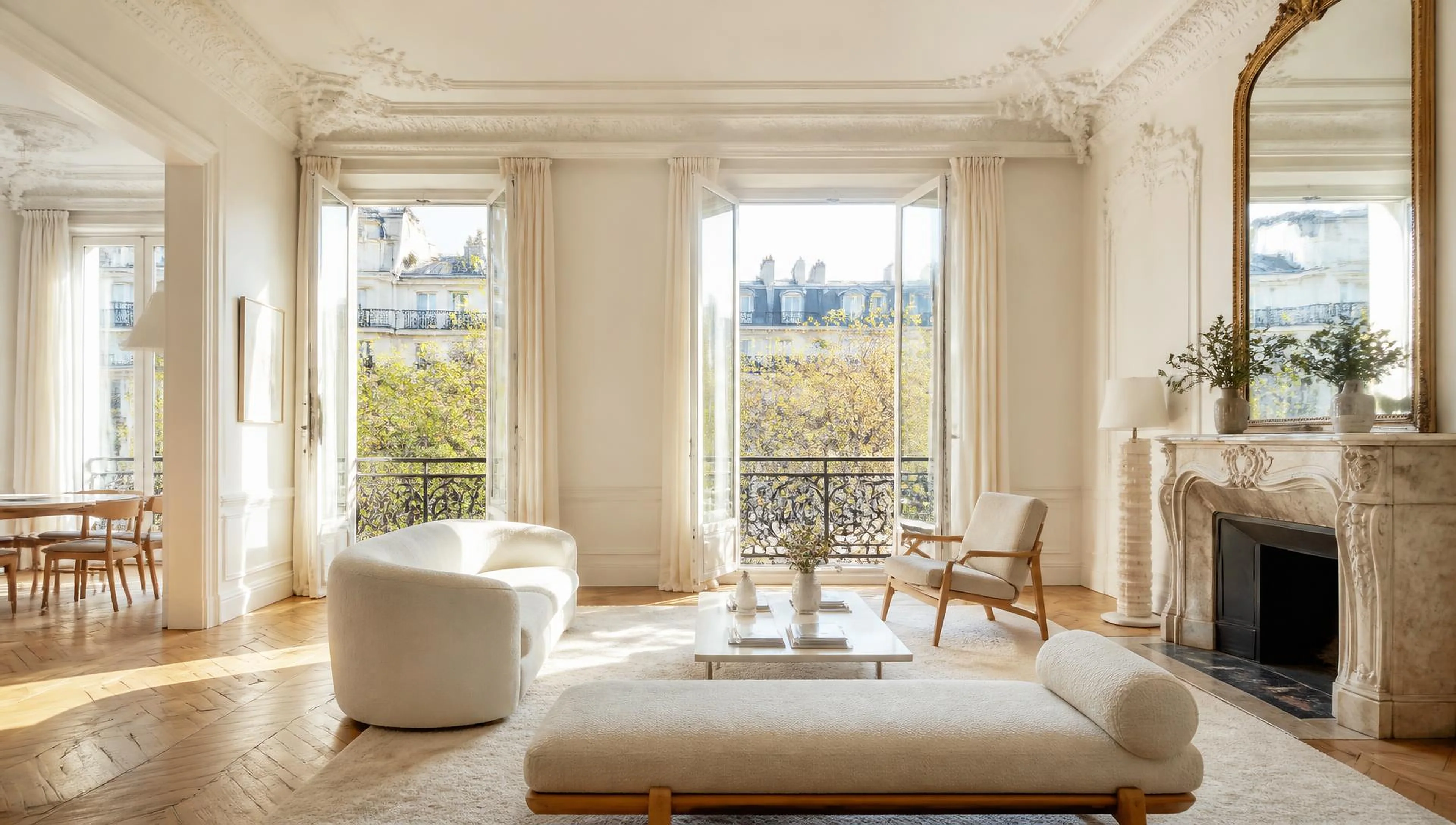
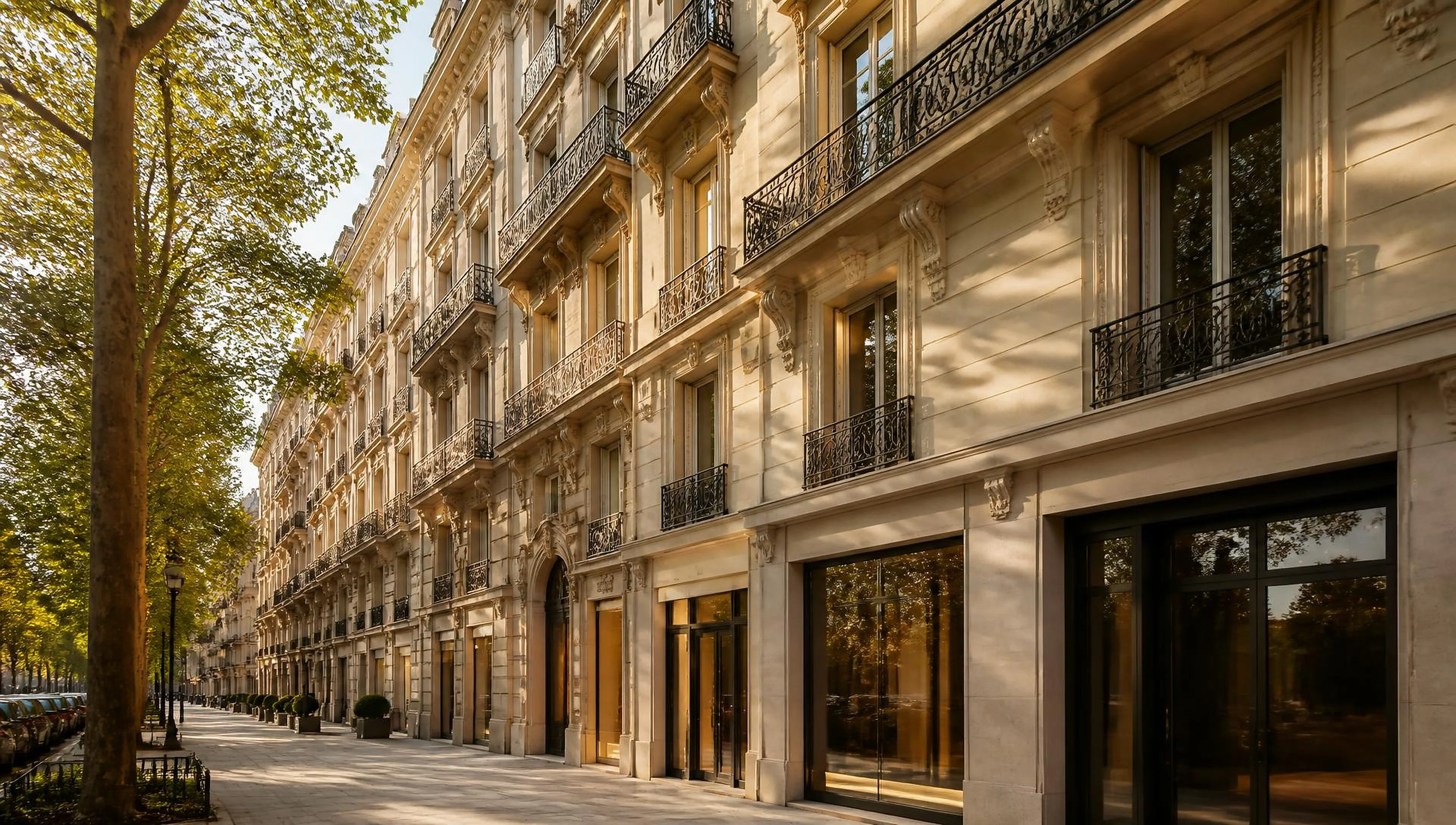
Haussmannian buildings, open outlooks, private mansions and the immediate proximity of the greatest luxury houses sustain a permanent international demand.
Even when the Paris market slows, this sector generally retains excellent stability thanks to its almost irreplaceable character.
- 3
- avenues that draw the perimeter
- Rare
- properties genuinely available
- International
- dominant profile of demand
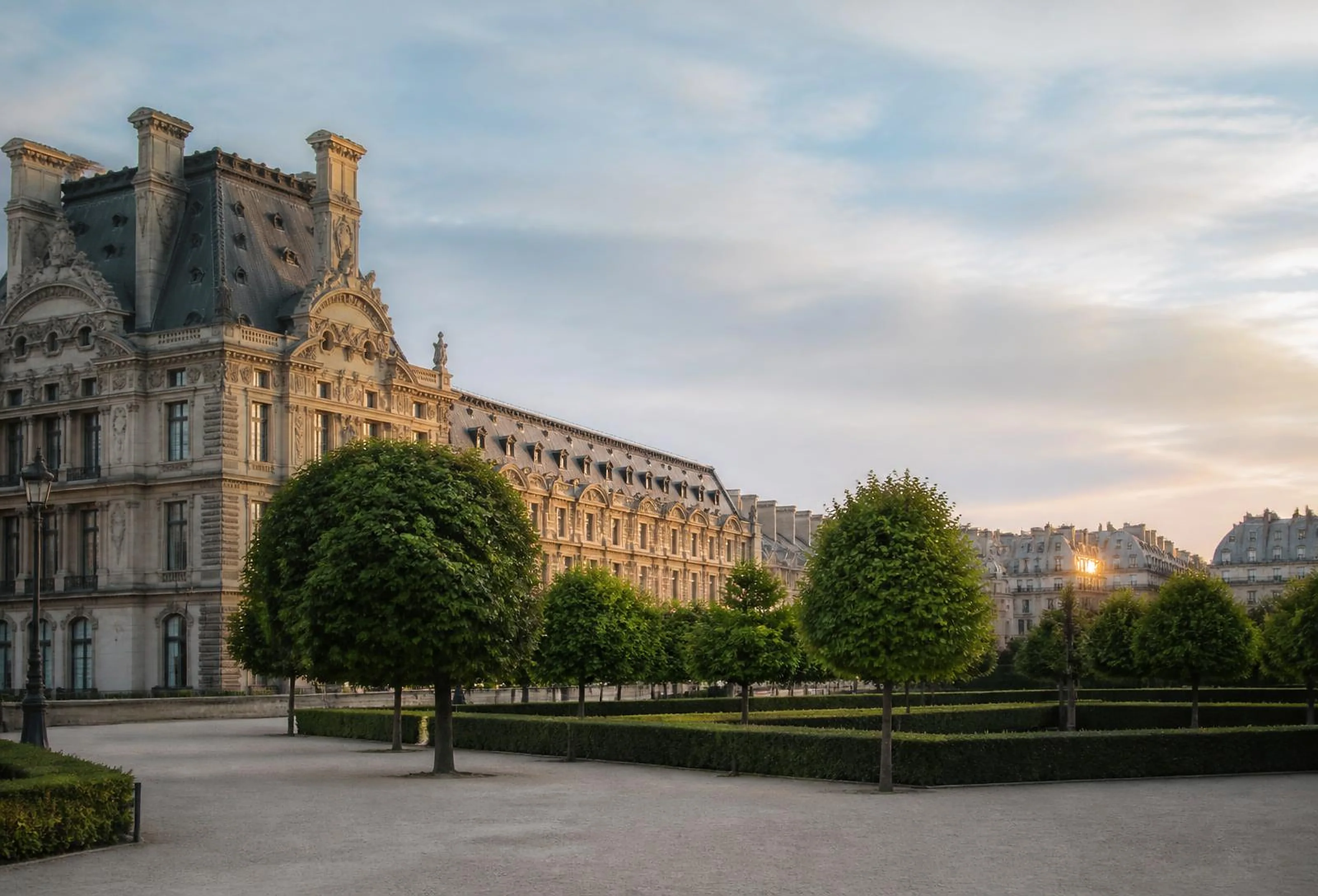
The Louvre and the 1st arrondissement
The first arrondissement enjoys an exceptional historic heritage. The Louvre, the Tuileries gardens, place Vendôme, rue Saint-Honoré and the proximity of the Seine make it one of the most sought-after sectors in Paris.
Properties there rarely change hands. This low turnover helps maintain strong pressure on supply and durably supports property values.
Saint-Germain-des-Prés: a timeless value
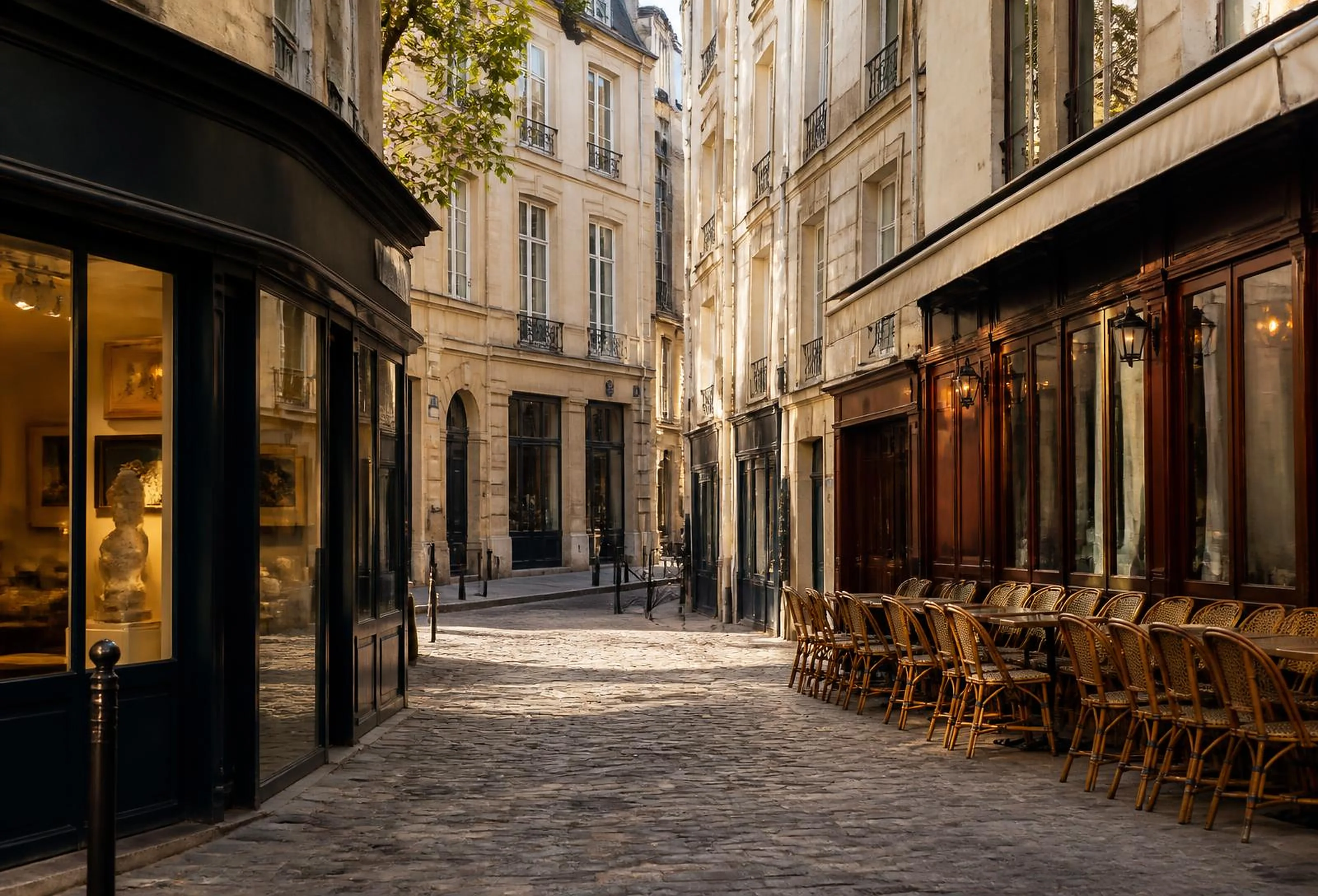
For several decades, Saint-Germain-des-Prés has attracted art collectors and international investors alike. Its architecture, its galleries, its historic cafés and its unique atmosphere create a particularly stable demand.
Apartments of character remain extremely sought after. Quality period buildings often benefit from excellent long-term resilience.
The 7th arrondissement
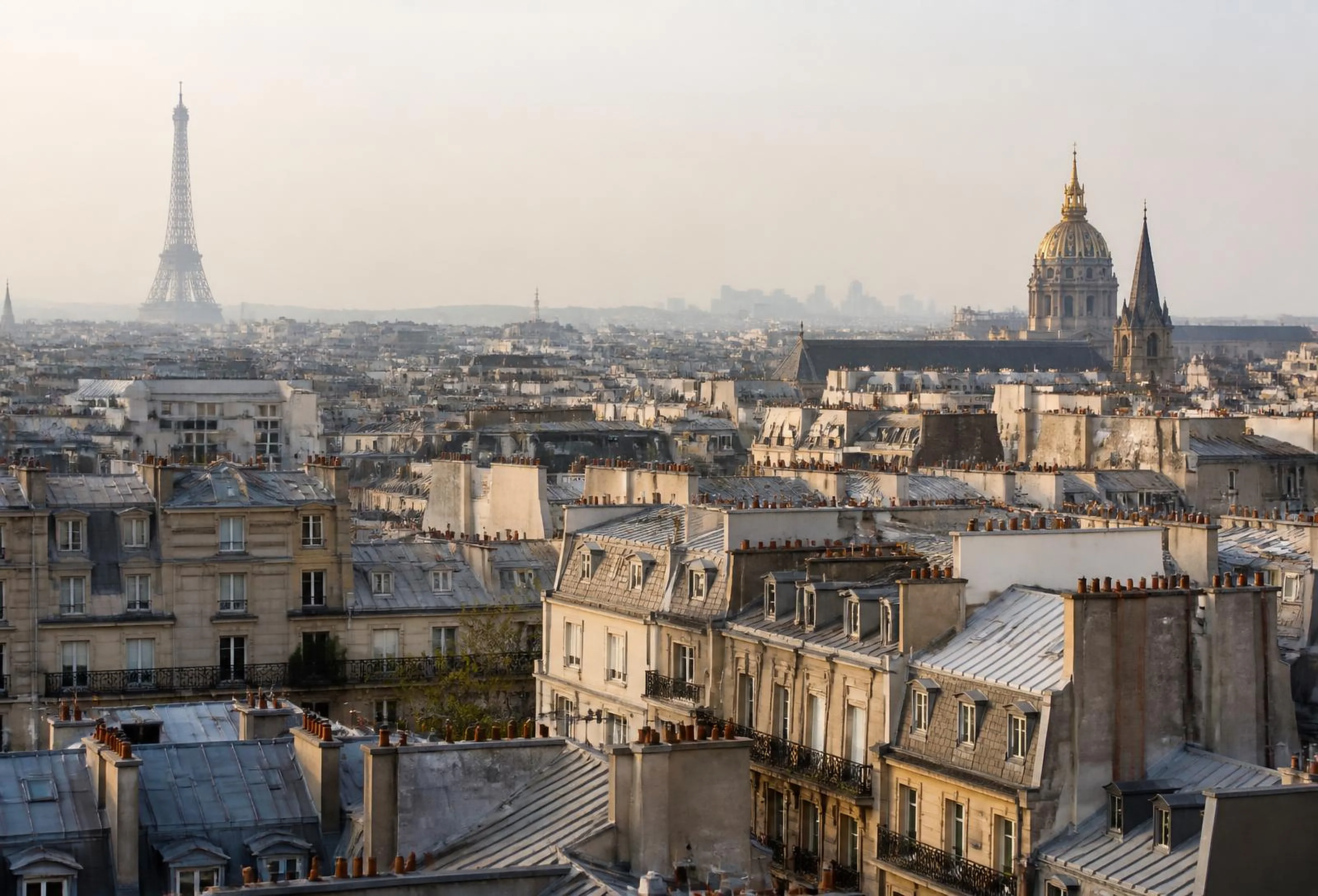
The area around the Invalides, the Champ-de-Mars and the approaches to the Eiffel Tower is among the most solid markets in the capital.
Large family apartments, prestige buildings and views over the monuments constitute rare assets.
These properties attract a clientele that favours quality of life and the security of a legacy over speculation.
The 16th arrondissement
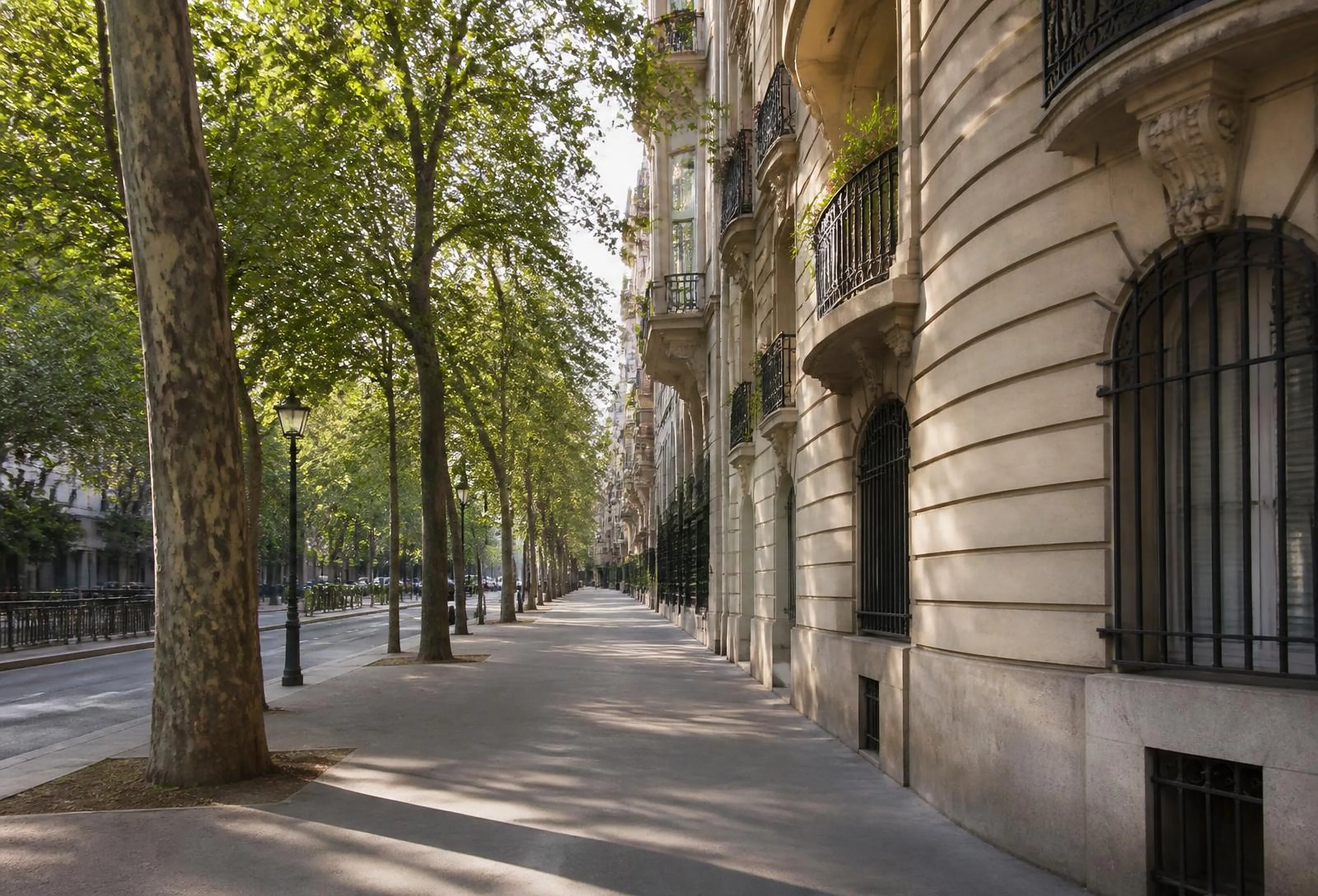
The 16th arrondissement remains a reference for French and international families.
Its wide avenues, its high-standing buildings, its green spaces and its residential setting offer a stability appreciated by long-term investors.
Certain addresses, notably around the Trocadéro, avenue Foch or La Muette, are among the most sought-after sectors.
What truly protects the value of a property
Beyond the district, several criteria strongly influence how an apartment resists market fluctuations:
- A prestigious address
- An exceptional view
- A high floor
- Outdoor space: balcony, terrace or garden
- Generous ceiling height
- A building of character
- A renovation of the highest quality
- A limited supply of comparable properties
A legacy logic above all
Buyers of exceptional properties rarely think in the short term.
They seek, above all, a transmissible legacy, a unique location and an asset capable of retaining its appeal over the decades.
This approach explains why certain districts continue to attract sustained demand, whatever the economic conditions.
Conclusion
In a constantly evolving property market, the rarest locations continue to demonstrate their resilience.
The Golden Triangle, the 1st arrondissement around the Louvre, Saint-Germain-des-Prés, the 7th arrondissement and certain addresses in the 16th remain among the most solid sectors in Paris.
For a legacy investment, the quality of the location remains the most decisive criterion.
At Elinora Luxury Real Estate, we accompany French and international clients in the acquisition of exceptional properties in Paris. Thanks to our in-depth knowledge of the market and our access to confidential opportunities, we help our clients invest in the most sought-after addresses in the capital.
Resilience across the cycles
A qualitative reading of property cycles as we observe them on the Parisian prestige market. No figures are extrapolated.
Expansion
Demand broadens across the whole capital. Gaps between districts narrow temporarily and rare properties trade quickly.
Slowdown
Timelines lengthen first in the best-supplied sectors. Irreplaceable addresses simply leave the market rather than concede on price.
Correction
The gaps widen again. Owners of exceptional properties, rarely forced to sell, prefer to hold their asset.
Recovery
International demand returns first to the rarest locations, which regain their level ahead of the rest of the market.
In Paris, value is not measured in square metres. It is measured by what can never be reproduced.