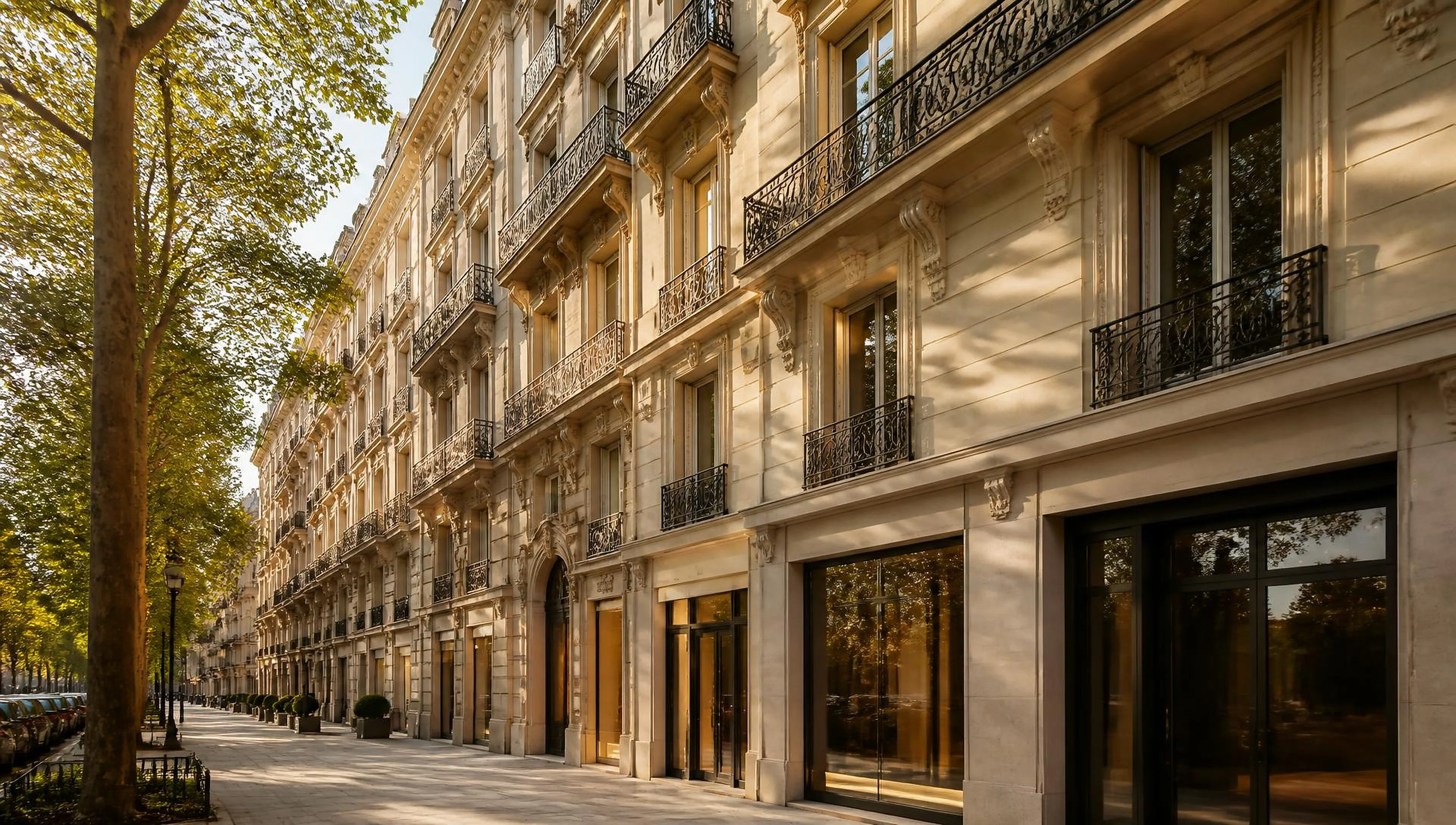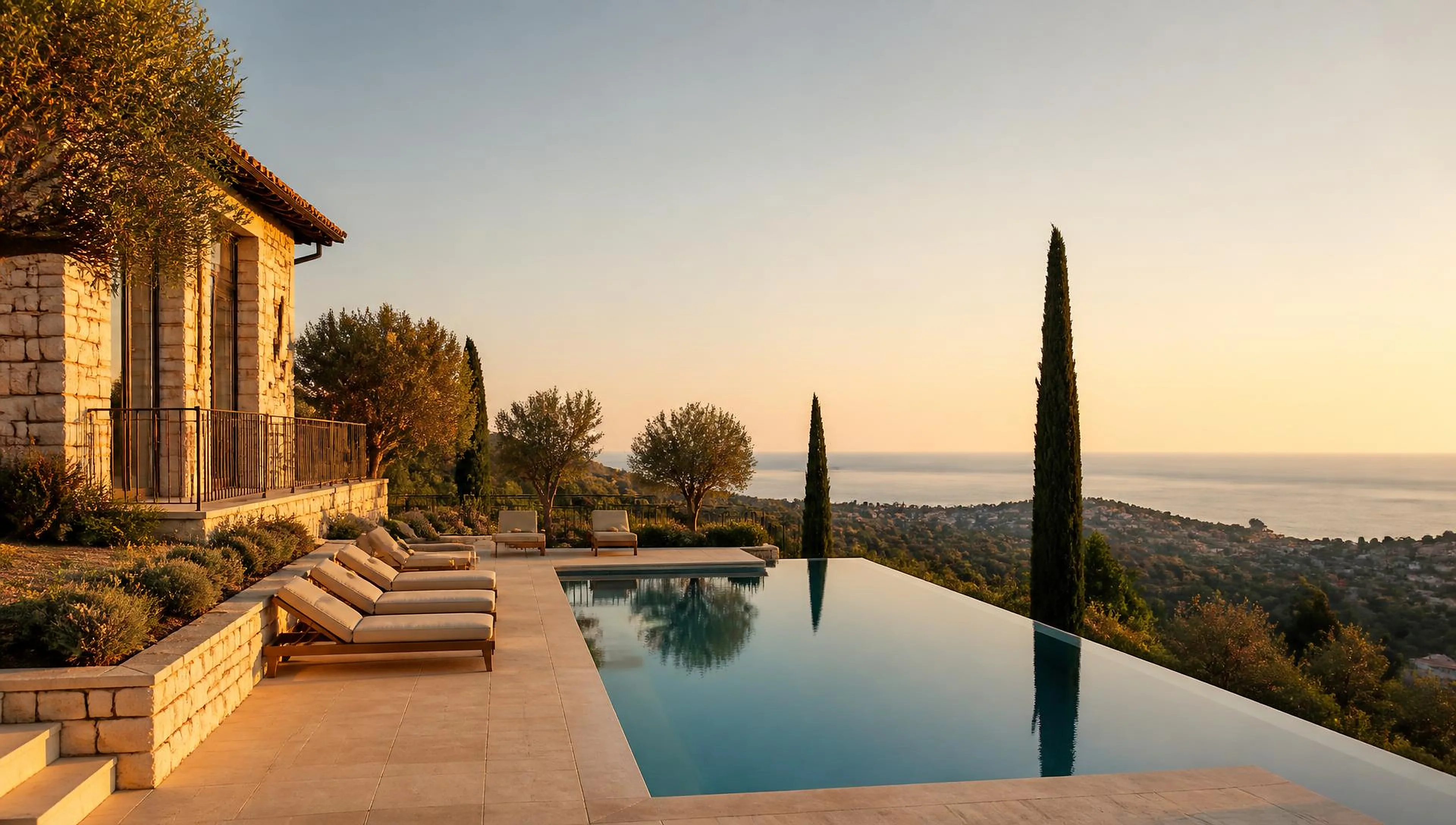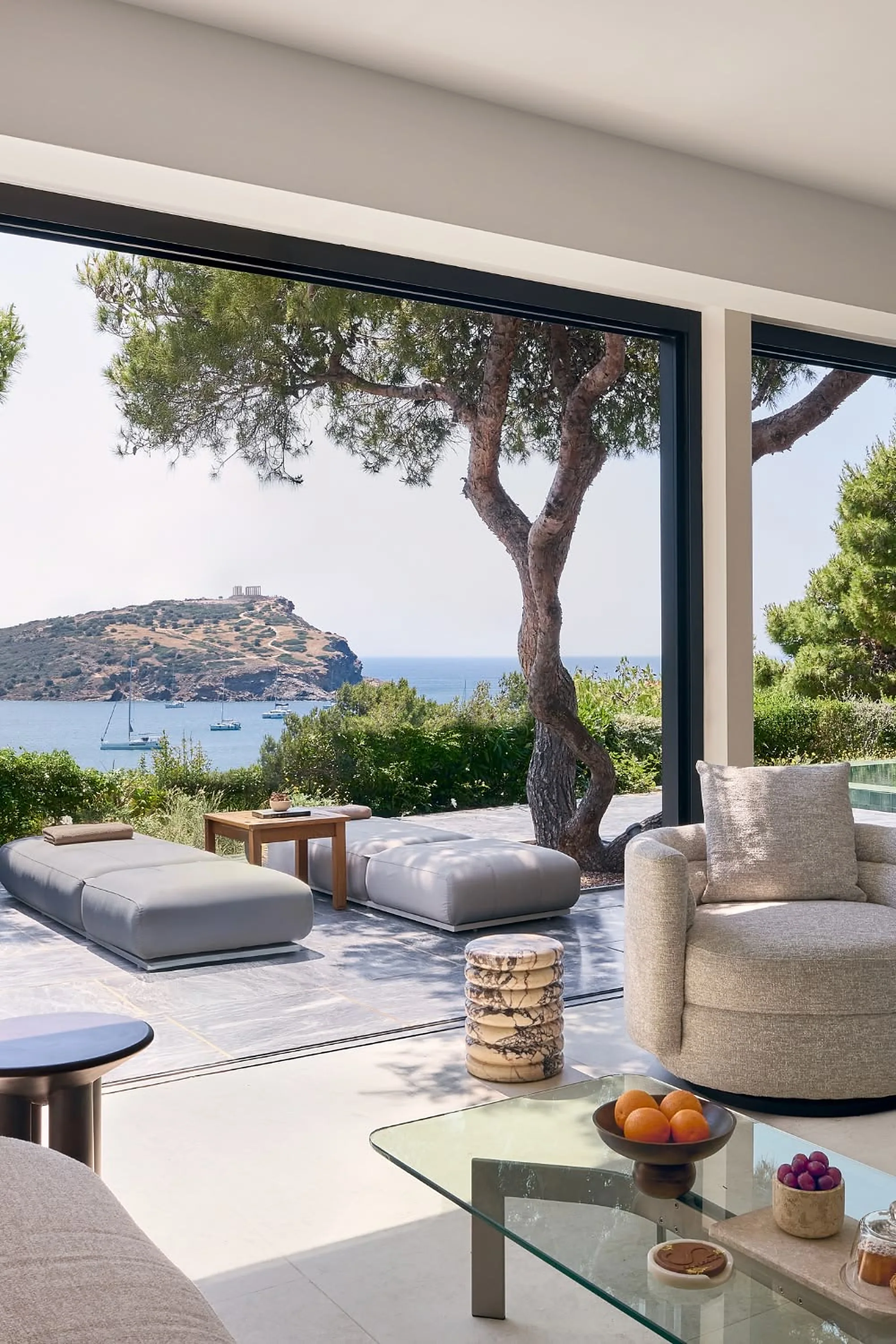
From Paris to the Riviera, Geneva to Dubai, residential property is increasingly becoming the architecture of an international life.
One address no longer describes a life
For generations, the idea of home was singular. One principal residence. One city. Perhaps a country house, or a seasonal property somewhere warmer.
For today's globally mobile wealthy, that model is increasingly giving way to something more fluid. A residence in Paris may anchor professional and cultural life. The Mediterranean becomes home for part of the summer. The Alps create another rhythm in winter. Geneva or Monaco may provide proximity to business and family interests. Dubai increasingly belongs to the same conversation.
These properties are not simply a collection of addresses. Together, they form the geography of a life. And that is changing the meaning of prime residential real estate.
Together, these properties form the geography of a life.
Wealth has become more mobile. Property has followed.
The geography of private wealth has changed. Companies operate internationally, families are distributed across countries, children study abroad, capital moves between jurisdictions. Professional and personal lives increasingly unfold across several cities.
Residential choices naturally reflect this. For an internationally mobile family, the question is no longer necessarily where they live, but where they need to be able to live well.
The distinction is subtle, but significant. One residence provides permanence. Several residences provide optionality. And optionality has become increasingly valuable in an unpredictable world.
The second home is no longer secondary
The expression “second home” increasingly fails to describe the role these properties play.
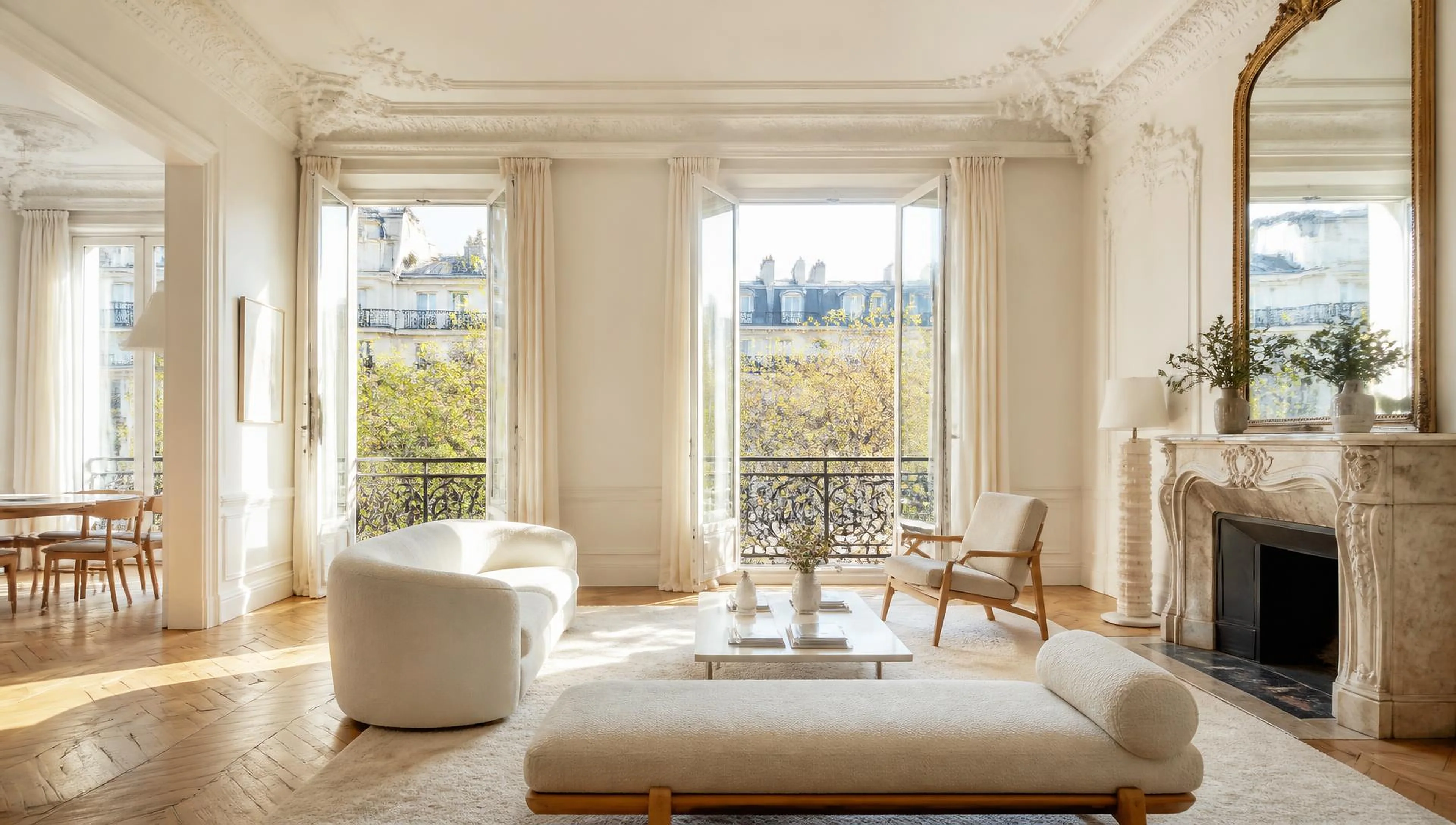
A Paris apartment may be occupied for only part of the year but remain essential to a family's European life. A Mediterranean villa may become the centre of family life every summer. A chalet can become the one place where several generations reliably gather. A residence near Geneva may serve business, education and family simultaneously.
These properties are secondary only in administrative language. Emotionally and operationally, they can be every bit as important as the principal residence.
That changes how sophisticated buyers evaluate them. The decision is no longer purely about investment performance or square metres. It is about the role a property will play within a broader private ecosystem.
The geography of wealth is becoming personal
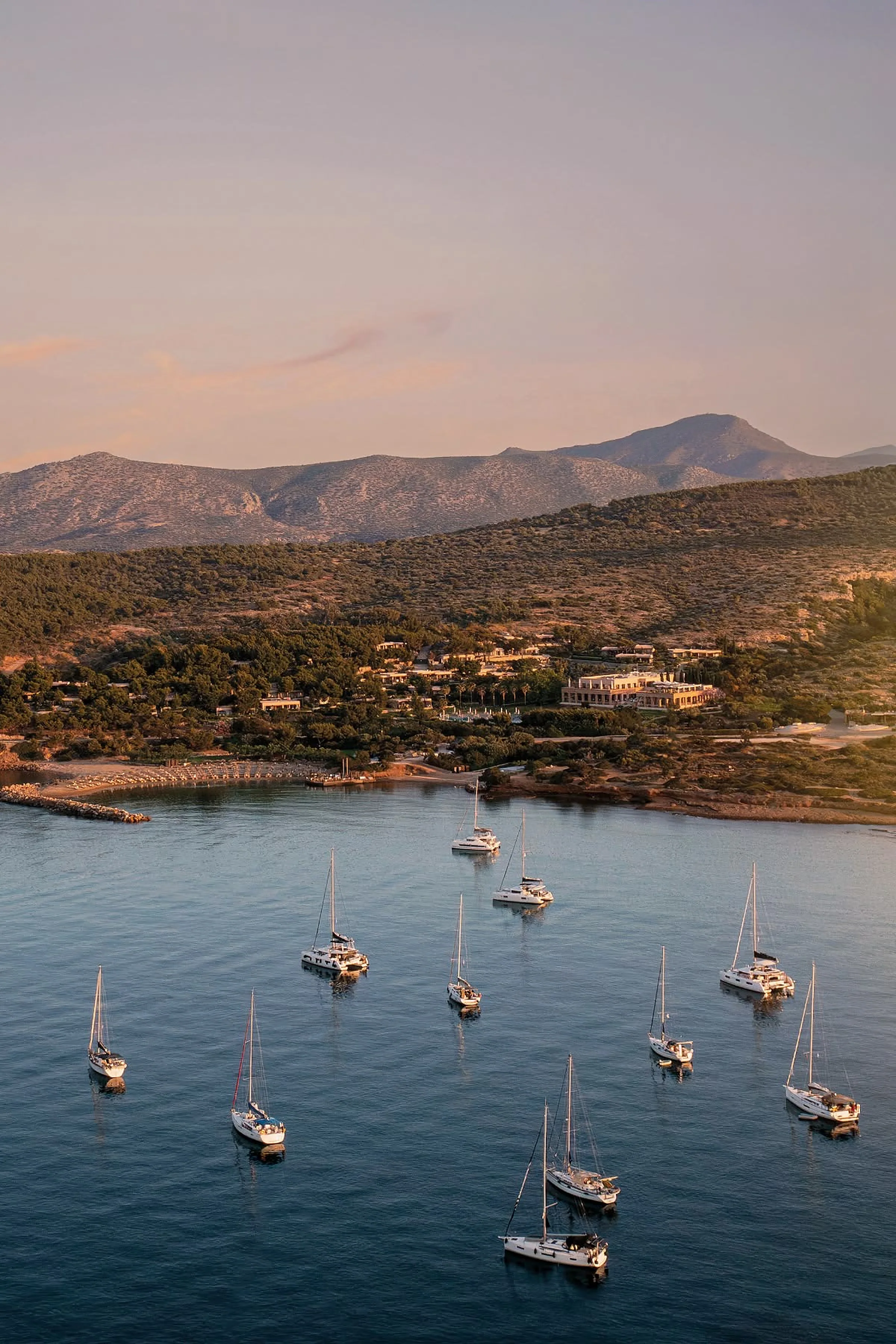
Traditional luxury markets remain powerful for a reason. Paris offers architecture, culture, education and international connectivity. The French Riviera combines privacy, climate and access to the Mediterranean. The Alps offer something increasingly scarce: space, nature and the ability for families to gather away from major cities.
Monaco combines an extraordinary concentration of private wealth with proximity to the Riviera. Geneva remains deeply connected to international finance and private wealth. Dubai has established itself as another global centre for internationally mobile capital and families.
But the most interesting development is not which city wins. It is that many private clients no longer need to choose only one. Their residential footprint can follow their lives.
A portfolio of homes is not necessarily a property portfolio
There is an important distinction between residential property owned as an investment and property owned to be lived in. The two can overlap. But they are not identical.
A family may own a residence that has appreciated significantly and still have no intention of selling it. Another property may be acquired primarily because it creates access to a particular place, community or way of life. A third may eventually pass to the next generation.
The financial value matters. So does the personal value. For this reason, the most sophisticated conversations around private residential real estate increasingly sit somewhere between investment advice and an understanding of family life. Numbers alone cannot answer every question.
Privacy is changing the way exceptional homes trade
The more personal a property becomes, the more important discretion can become. Some owners have little desire to publicly market their residences. They do not need hundreds of enquiries. They need the right one.
Likewise, certain buyers do not want their search widely circulated across the market. They may be looking for a particular street, building, estate or architectural character, and be prepared to wait until the appropriate property becomes available.
This is one reason private and off-market transactions remain so important at the upper end of residential real estate. The objective is not secrecy for its own sake. It is precision: a carefully qualified buyer, a carefully approached owner, and a conversation that may never need to become public.
At this level, access is often relational before it is transactional.
The objective is not secrecy for its own sake. It is precision.
Turnkey has acquired a different meaning
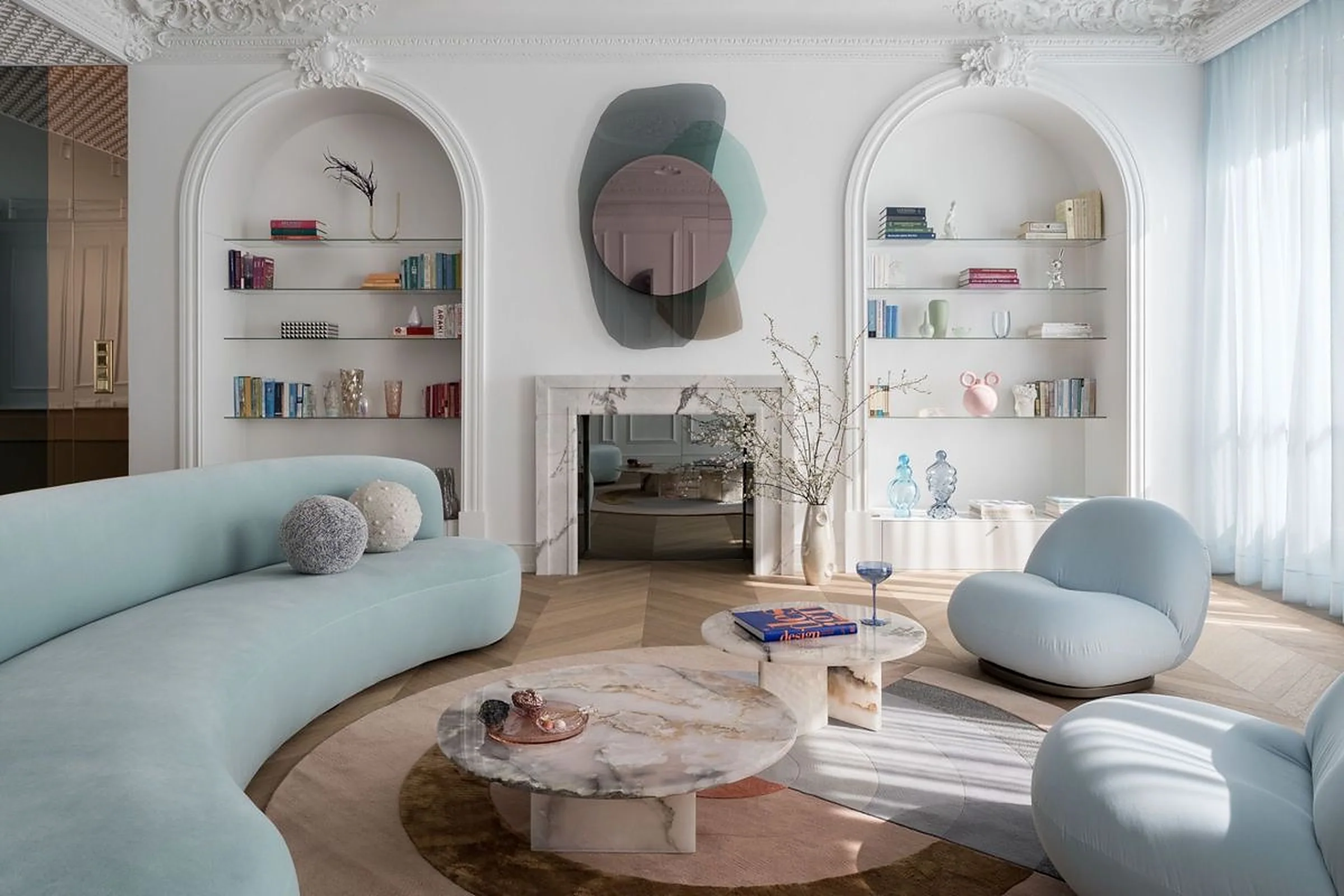
A beautiful residence is not necessarily an easy residence, and international owners increasingly understand the distinction. A property can have exceptional architecture and still demand considerable attention: technical systems, security, gardens, pools, household staff, maintenance, renovation, administration, preparation before arrival.
The more residences a family owns, the more important this operational dimension becomes.
This may help explain why genuinely turnkey prime properties command such attention. The premium is not only for the quality of the interiors. It is also for the absence of immediate complexity. For buyers whose most limited resource is often time, that distinction matters.
Buying is only one moment in a much longer relationship
Traditional real estate has historically focused on the transaction: search, negotiation, acquisition, completion.
But an international owner may spend ten or twenty years with a property after the transaction has ended. During that period the residence will evolve. It may be renovated, reconfigured, staffed, maintained, prepared seasonally, and eventually passed to the next generation or sold.
Seen through that lens, acquisition is not the conclusion. It is the beginning of the property's life within the family. This changes what clients increasingly expect from those advising them. Understanding the asset is important; understanding what happens around it is becoming equally important.
The family residence is also a legacy asset
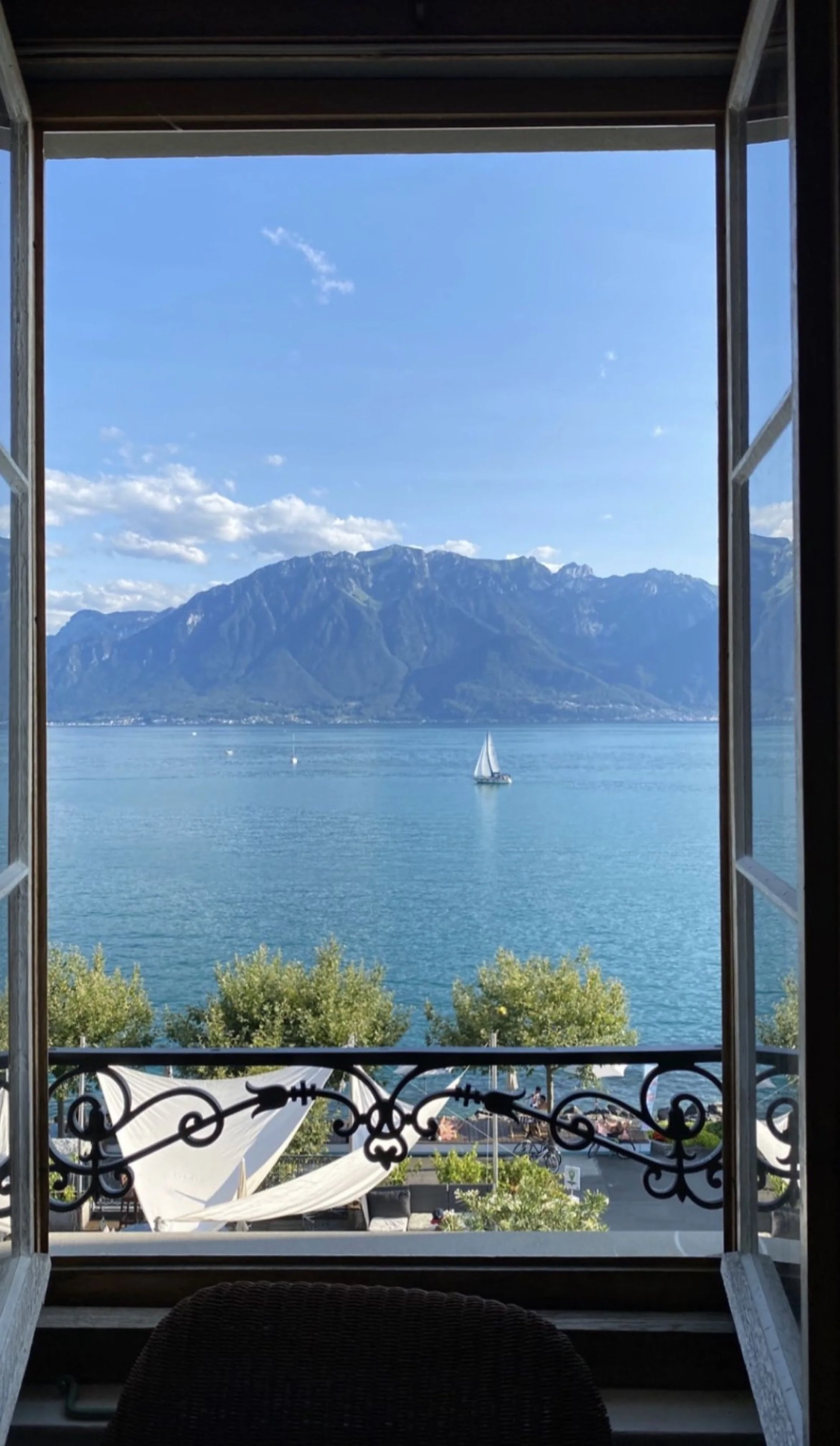
Certain properties acquire a value that cannot be measured entirely through comparable sales. They become the place where children grew up, where summers were spent, where several generations return, where art was collected, where friends gathered, where family history accumulated quietly over decades.
This is why decisions involving exceptional residences are often more complex than conventional investment decisions. Selling may make financial sense and still feel wrong. Renovating may improve the asset while risking the character that made it important. Passing a residence to the next generation can create questions of use, ownership and responsibility.
At its highest level, residential real estate becomes intertwined with legacy.
The future may belong to a network of homes
The world's wealthy are unlikely to become less mobile. Technology has made international work easier, private aviation has compressed distance, and family structures are increasingly international. Education, business, tax, climate and lifestyle all influence where people spend their time.
The result may be a different conception of home altogether. Not one residence replacing another, but several places, each fulfilling a distinct role. One for business. One for family. One for summer. One for winter. One simply because it is loved.
The real luxury may ultimately be the freedom to move between them without losing the feeling of being at home.
And for the real-estate industry, that changes the question entirely. The future of prime property may not be about where the wealthy choose to live. It may be about how many places they choose to call home.
Exceptional real estate, understood in the context of a life.
لمعرفة المزيد · العقارات الفاخرة في باريس · فرص خارج السوق · تقييم سري · إدارة الإقامة